
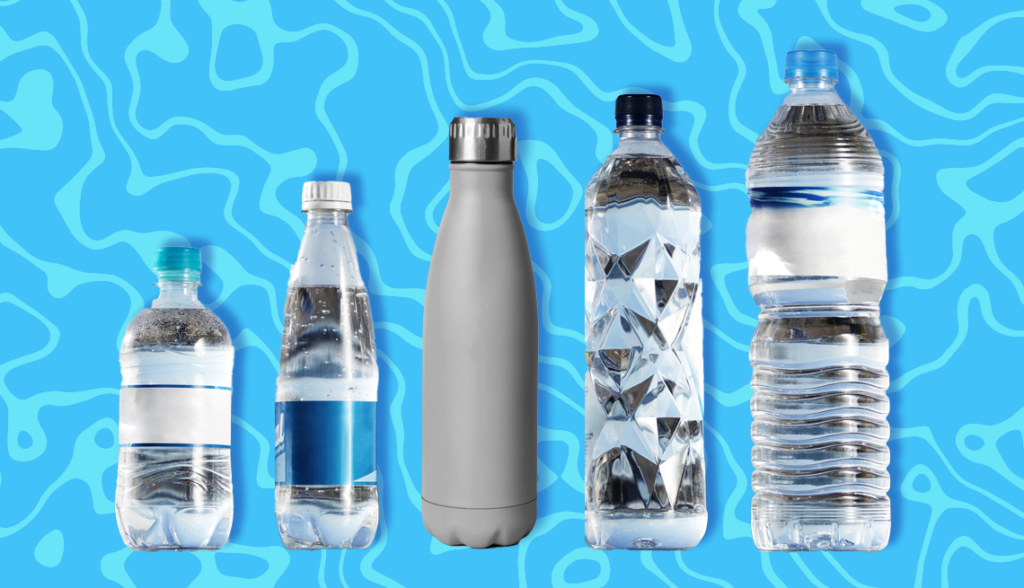
Clean drinking water is essential for maintaining good health, proper digestion, and overall body function. However, not all water sources are the same. Different types of water go through different purification processes and may contain varying levels of minerals and nutrients. Choosing the right type of drinking water can improve hydration, support metabolism, and reduce exposure to harmful contaminants.
In this article, we will explore the top 5 types of drinking water, their benefits, and why they are considered safe and healthy for daily consumption.
1. Mineral Water
Mineral water is one of the most popular and healthiest types of drinking water. It is naturally sourced from underground springs and contains essential minerals such as calcium, magnesium, potassium, and sodium.
These naturally occurring minerals help maintain electrolyte balance, support bone health, and improve muscle function. Because mineral water is collected directly from protected sources, it typically undergoes minimal processing to preserve its natural composition.
Benefits of Mineral Water
- Contains natural minerals and trace elements
- Supports bone strength and muscle health
- Helps maintain electrolyte balance
- Naturally filtered through rocks and soil
Mineral water is often considered premium drinking water due to its natural purity and balanced mineral content.
2. Spring Water
Spring water comes from natural underground sources where water flows to the earth’s surface. It is collected directly from a spring or through a borehole that taps the underground aquifer.
Spring water is naturally filtered through layers of rock, sand, and soil, which helps remove impurities and enrich the water with minerals.
Benefits of Spring Water
- Naturally filtered through geological layers
- Fresh taste and balanced mineral content
- Free from chemical treatment in many cases
- Ideal for daily hydration
Many bottled water brands market spring water because of its natural origin and refreshing taste.
3. Reverse Osmosis (RO) Water
Reverse Osmosis (RO) water is purified using an advanced filtration system that removes contaminants, heavy metals, bacteria, and dissolved solids.
The RO filtration process uses a semi-permeable membrane to eliminate harmful substances such as arsenic, lead, nitrates, and fluoride.
Benefits of RO Water
- Removes up to 99% of contaminants
- Improves taste and odor
- Safe for areas with poor water quality
- Commonly used in household water purifiers
RO water is widely used in urban households because it ensures high levels of purification and safety.
4. Alkaline Water
Alkaline water has a higher pH level compared to regular drinking water. It often contains alkaline minerals such as calcium, magnesium, and potassium.
Some people believe alkaline water helps neutralize acid in the body and supports better hydration.
Benefits of Alkaline Water
- Higher pH level than normal water
- May help balance body acidity
- Contains beneficial minerals
- Popular among fitness and health enthusiasts
Although research is still ongoing, many people prefer alkaline water for its perceived health benefits and smooth taste.
5. Distilled Water
Distilled water is produced through a process called distillation, where water is boiled and the steam is collected and condensed back into liquid form. This process removes bacteria, chemicals, and dissolved minerals.
Distilled water is extremely pure because most contaminants are removed during distillation.
Benefits of Distilled Water
- Free from contaminants and impurities
- Extremely high purity level
- Often used in medical and laboratory environments
- Suitable for specialized diets
However, because it lacks minerals, many experts recommend combining distilled water consumption with mineral-rich foods.
How to Choose the Best Drinking Water
When selecting drinking water, several factors should be considered:
- Water source and purity
- Mineral content
- Filtration process
- Local water quality
- Health requirements
For most households, filtered or RO water with balanced minerals is a practical and safe option.
Conclusion
Drinking clean and safe water is crucial for maintaining health and preventing waterborne diseases. The top five drinking water types—mineral water, spring water, RO water, alkaline water, and distilled water—each offer unique benefits depending on their source and purification process.
Understanding the differences between these water types can help you choose the best option for your daily hydration needs. Whether you prefer natural mineral-rich water or highly purified filtered water, the key is to ensure the water you drink is clean, safe, and suitable for long-term health.